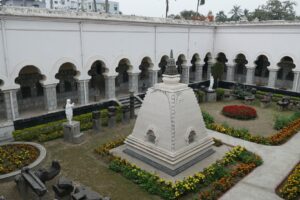
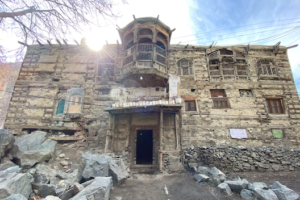
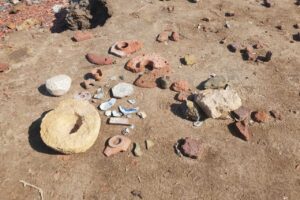
‘Withstanding Change’ was a three-year project led by the International National Trusts Organisation to strengthen the climate resilience of six heritage sites across the Middle East, North Africa and East Africa. It combined restoration, climate adaptation, training and community engagement while also connecting local expertise with international learning to support climate adaptive conservation efforts.


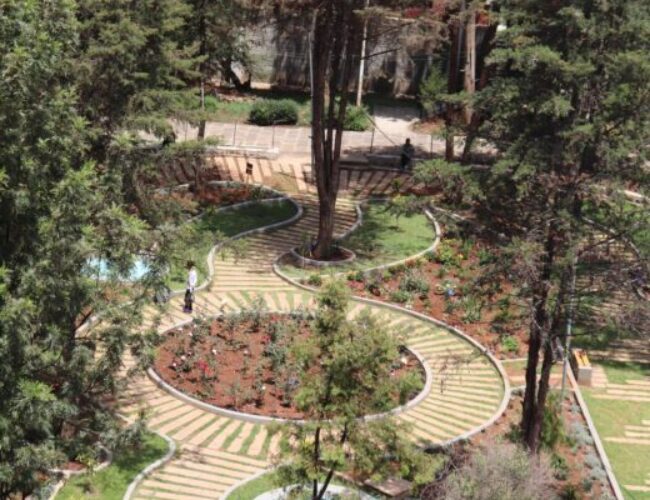
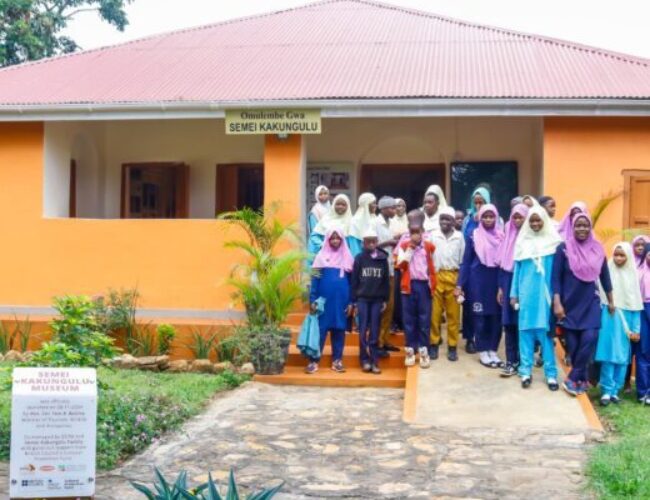

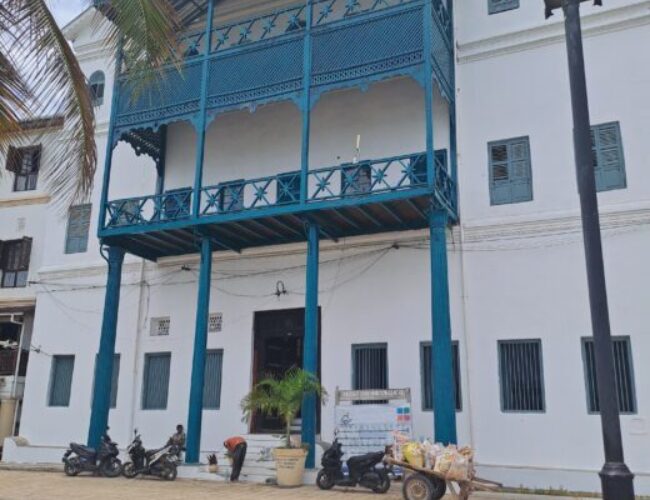
Working with partners in Egypt, Ethiopia, Jordan, Syria, Uganda and Zanzibar, ‘Withstanding Change’ demonstrated how heritage conservation can help communities respond to climate change. Restoration addressed threats including flooding, humidity, erosion and extreme weather, with solutions tailored to each site’s local context.
Practical measures included improved rainwater management in Jordan, salt removal from historic walls in Zanzibar, protective planting in Uganda, drought-resilient gardens in Ethiopia, structural restoration in Egypt, and solar power and rainwater harvesting in Syria.More than 1,500 people participated in training, strengthening conservation skills, climate awareness and local capacity to care for heritage.
Community activities brought purpose to restored places: young people created heritage gardens in Ethiopia, women developed heritage project management skills in Syria, and local artisans gained opportunities to showcase and sell their work in Jordan.
Twinning partnerships with National Trust properties supported reciprocal learning through visits and online exchanges, covering conservation, landscape management and community engagement.
The project’s legacy extends beyond the restored sites. Its resource hub brings together case studies, films, podcasts, publications and practical tools, sharing lessons with heritage practitioners worldwide and demonstrating how cultural heritage can contribute to climate resilience while remaining a living part of community life for future generations.